


Selling Inherited Property in Western PA What Families Need to Know
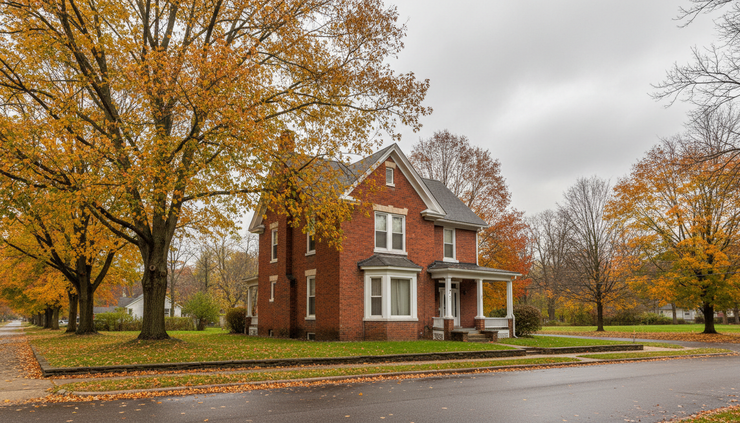
An inherited house can feel like a gift, a burden, and a deadline all at once. In Western Pennsylvania, many estate properties are older homes with long family histories, full basements, deferred repairs, and paperwork that is not always easy to find.
When a parent, spouse, sibling, or relative passes away, the property often becomes one of the largest assets in the estate. It may also become the most stressful. Someone has to secure the home, sort personal belongings, understand probate, keep up with bills, and decide whether to sell as-is or prepare the house for the open market.
This guide walks through the practical steps families often face when selling inherited property in Western PA. It is informational only and should not replace advice from an attorney, tax professional, or licensed real estate expert familiar with the estate.
Start by Confirming Who Has Legal Authority to Sell
Before anyone signs a listing agreement, accepts an offer, or transfers the deed, the estate needs a person with legal authority to act.
That person may be:
An executor named in the will
An administrator appointed when there is no will
A surviving joint owner listed on the deed
A trustee if the property is held in a trust
In Pennsylvania, many estates go through probate through the Register of Wills in the county where the person lived. Probate gives the executor or administrator the legal ability to handle estate assets. For a house, that authority often comes through documents commonly called Letters Testamentary or Letters of Administration.
If the property was jointly owned with rights of survivorship, it may pass directly to the surviving owner instead of through probate. If it was in a trust, the trustee may have authority under the trust document.
This is why the deed matters. The name on the deed, not family assumptions, controls the next step.
Common Western PA counties where this comes up include Allegheny, Butler, Beaver, Washington, Westmoreland, Fayette, Armstrong, Indiana, and Lawrence. Each county has its own offices and procedures, so it helps to work with professionals who understand local filing habits and municipal requirements.
Gather the Important Documents Early
Estate sales often stall because one missing document holds up the process. Families can save time by creating a simple property file.
Useful documents include:
The most recent deed
The will, if there is one
Death certificate
Letters Testamentary or Letters of Administration
Mortgage statement or payoff information
Homeowners insurance policy
Utility bills
Property tax bills
HOA or condo documents, if applicable
Recent repair receipts
Lease agreements if a tenant lives there
Oil, gas, coal, or mineral rights paperwork if available
Western Pennsylvania properties sometimes have older title issues, shared driveways, private roads, old liens, or mineral rights questions. These do not always stop a sale, but they can slow one down if they surface late.
If the home has been in the family for decades, do not assume every record is clean. A title company or real estate attorney can help identify issues before closing.

Secure the Property Before Making Sale Decisions
A vacant estate home needs attention right away. Even a few weeks of neglect can create problems, especially during Western PA winters.
Start with the basics:
Change or rekey locks if many people have keys
Check windows, basement doors, and garage entries
Keep heat at a safe level in cold months
Shut off exterior water lines
Check the roof, gutters, and downspouts
Remove food and trash
Forward mail
Keep grass cut or snow cleared
Tell the insurance company the home is vacant
Insurance deserves special attention. A standard homeowners policy may not fully cover a vacant property after a certain period. The estate representative should contact the insurer and ask what coverage applies while the home is unoccupied.
Do not forget utilities. Turning everything off might seem like a way to save money, but it can create larger costs. A cold house can lead to frozen pipes. No electricity can mean sump pump failure. No heat can cause moisture problems.
For older homes in Western PA, a quick safety walk-through is wise. Look for signs of water in the basement, sagging ceilings, knob-and-tube wiring, old fuse boxes, broken steps, or major foundation cracks. These issues affect how the property should be priced and marketed.
Understand Taxes Before the Sale
Inherited property can involve several tax questions. Some are state-level. Some are federal. Some depend on the relationship between the person who died and the person inheriting the property.
Pennsylvania has an inheritance tax. Rates generally depend on the beneficiary’s relationship to the deceased. Transfers to a surviving spouse are generally taxed at 0%, while transfers to children, siblings, and other heirs may be taxed at different rates. Because rules and exceptions can matter, families should confirm the details with a Pennsylvania estate attorney or tax professional.
There may also be federal capital gains tax if the home sells for more than its inherited value. Many inherited properties receive a step-up in basis, meaning the tax basis often becomes the fair market value as of the date of death rather than the original purchase price. This can reduce or even eliminate taxable gain in some cases, but every situation is different.
For example, if a parent bought a house decades ago for a low price and it is worth much more today, the heirs may not be taxed on the entire increase since the original purchase. The date-of-death value can matter a great deal.
A professional appraisal or well-supported market valuation can help establish that value. This is especially useful when multiple heirs are involved or when the estate needs clear records.
Also ask about:
Unpaid property taxes
Municipal liens
School taxes
Water, sewage, and garbage balances
Estate tax filing deadlines
Transfer taxes due at closing
Some items are paid before closing. Others can be paid from sale proceeds. Clear numbers help everyone avoid surprises.
Decide Whether to Sell As-Is or Prepare the Home
One of the biggest decisions is whether to clean, repair, and list the home traditionally or sell it as-is.
There is no single right answer. The best choice depends on the property condition, estate timeline, number of heirs, cash available, and emotional bandwidth.
Selling as-is may make sense when
The home needs major repairs, the estate has limited cash, heirs live out of town, or the family wants a faster sale with fewer demands.
Preparing the home may make sense when
The house is structurally sound, cosmetic updates are manageable, the market supports a higher price, and the estate can wait for the right buyer.
Many inherited homes in Western PA have older mechanical systems, dated kitchens, worn flooring, wallpaper, damp basements, or garages packed with belongings. A full renovation is rarely necessary before selling. In some cases, it wastes money.
Focus first on low-risk improvements:
Remove trash
Clean kitchens and bathrooms
Cut grass and trim shrubs
Replace burned-out bulbs
Fix obvious safety hazards
Remove strong odors
Address active leaks
Be careful with large repairs unless a trusted local professional has reviewed the numbers. A $25,000 renovation does not automatically add $25,000 to the sale price.
Handle Personal Belongings With a Clear Plan
Estate cleanouts can be emotional. They can also create conflict if heirs have different expectations.
A practical sequence helps:
Secure valuables
Look for jewelry, cash, firearms, coin collections, titles, deeds, military records, family photos, and financial documents.
Set aside personal keepsakes
Give heirs a fair process for choosing sentimental items.
Identify items with resale value
Antiques, tools, vehicles, equipment, and collectibles may need an estate sale company or appraiser.
Donate usable goods
Local charities may accept furniture, clothing, kitchenware, and household items, depending on condition.
Schedule cleanout or hauling
Basements, attics, garages, and sheds often take more time than expected.
Do not empty the house too quickly if there is a chance important paperwork remains inside. Families often find deeds, burial records, insurance policies, stock certificates, savings bonds, or mineral rights documents tucked into drawers, boxes, books, and filing cabinets.

Watch for Local Requirements in Western PA
Western Pennsylvania real estate can be very local. A home in Pittsburgh may face different requirements than a home in a nearby borough, township, or rural area.
Depending on the municipality, a sale may require:
Occupancy inspection
Dye test or sewer lateral test
Municipal lien letter
Smoke detector certification
Sidewalk inspection
Septic inspection
Well water testing
Zoning review
Rental registration transfer if tenant-occupied
Not every area requires all of these. Some require very little. Others are strict. The key is to check early so the estate does not discover a requirement a week before closing.
Dye tests and sewer-related inspections are common in many older communities. These tests help confirm stormwater is not improperly connected to the sanitary sewer system. If a problem appears, it may need repair before sale or negotiation with the buyer.
Older homes may also have unpermitted additions, converted garages, old retaining walls, or boundary questions. These are common in hilly neighborhoods and older mill towns throughout the region.
Know the Main Ways to Sell
Most families choose one of three paths.
List the home on the open market
A traditional listing can attract the largest pool of buyers. This works well when the property is financeable, reasonably clean, and priced correctly.
Buyers using mortgages may require appraisal and inspection conditions. If the home has major safety or habitability issues, financing can become harder.
Sell directly to a cash buyer
A cash sale can be useful when the house needs repairs, has contents left inside, or the estate needs speed. The price is usually lower than a fully prepared retail sale, but the process may involve fewer repairs and fewer delays.
This can fit homes with foundation concerns, old roofs, outdated electrical systems, damaged interiors, or long-term vacancy.
Use an auction or estate sale approach
Auctions can work for unique properties, acreage, farms, or homes with strong local interest. They can also help when heirs want a public process. The tradeoff is that results vary, and fees and terms should be reviewed carefully.
No matter which route the estate chooses, compare the net result, not just the sale price. Repairs, holding costs, commissions, taxes, utilities, cleanout costs, and time all affect what the heirs actually receive.
Keep Communication Clear Among Heirs
Many estate property delays are not caused by the house. They are caused by disagreement.
Common issues include:
One heir wants to keep the home
One heir wants a fast sale
Someone believes the home is worth more than the market supports
Repairs are approved without agreement
Personal belongings are removed without discussion
An out-of-town heir feels left out
Written updates help. The estate representative can share repair estimates, market opinions, offers, inspection results, and closing statements with heirs. This creates a record and reduces confusion.
If heirs disagree about value, a professional appraisal or multiple market opinions can help ground the conversation. Emotional value and market value are not always the same.
Price the Property Based on Condition, Not Memory
A family home carries memories. Buyers see condition, location, layout, and cost.
Inherited homes often sit between two markets. They may not be distressed enough for investors only, but they may not be updated enough for top retail pricing. Pricing should reflect the real state of the home.
Factors that matter include:
Roof age
Furnace and air conditioning condition
Electrical system
Plumbing type and condition
Basement moisture
Foundation and retaining walls
Kitchen and bathroom age
Parking
School district
Walkability or rural access
Local buyer demand
In Western PA, two homes a mile apart can perform very differently because of school district, municipality, taxes, road access, or neighborhood condition. Local pricing matters more than broad online estimates.
Online home values can be especially unreliable for estate properties because they may not account for deferred maintenance or outdated interiors.

Prepare for Buyer Inspections and Negotiations
If the home is listed publicly, expect buyers to inspect it. Estate representatives should be ready for repair requests, credits, or price reductions.
Common inspection findings in older Western PA homes include:
Damp or wet basements
Aging roofs
Old electrical panels
Galvanized plumbing
Sewer line defects
Grading and drainage problems
Chimney deterioration
Termite or wood-destroying insect damage
Mold concerns
Retaining wall movement
Selling as-is does not always mean buyers cannot inspect. It usually means the seller does not plan to make repairs. The buyer may still ask, renegotiate, or walk away depending on the contract.
A pre-listing inspection can help in some cases. It gives the estate a clearer picture before buyers get involved. In other cases, especially with a clear as-is sale, the estate may choose to disclose known issues and price accordingly.
Honest disclosure matters. If the executor or family knows about a material defect, hiding it can create legal risk. Ask a Pennsylvania real estate professional or attorney which disclosure forms apply to the estate.
Do Not Let Holding Costs Eat Away at the Estate
Every month the property sits, the estate may pay for:
Mortgage payments
Property taxes
Insurance
Utilities
Lawn care
Snow removal
Security
Repairs
HOA or condo fees
Municipal charges
Vacant homes can also lose condition over time. A small roof leak can become ceiling damage. A failed sump pump can turn into a major cleanup. A break-in can lead to insurance complications.
A realistic timeline protects the estate. If the house needs six months of repairs before listing, compare that cost and risk against selling sooner in current condition.
Speed is not always the goal. But delay without a plan is expensive.
A Simple Timeline for Selling an Estate Property
Every estate is different, but this sequence works for many families:
Confirm who has authority to act for the estate.
Secure the property and notify insurance.
Gather deed, probate, tax, mortgage, and utility documents.
Walk through the home and note major condition issues.
Sort valuables, personal items, and important papers.
Check municipal requirements before listing or accepting an offer.
Get a professional value opinion or appraisal.
Compare selling as-is, listing traditionally, or using another sale method.
Review tax questions with a qualified professional.
10. Accept an offer based on net proceeds, timeline, and certainty.
11. Complete inspections, municipal requirements, title work, and closing.
12. Keep records for estate accounting and tax filing.
This process gives the estate structure. It also helps heirs understand why each step matters.
The Main Takeaway for Western PA Families
Selling an inherited house is rarely just a real estate task. It is part legal process, part family responsibility, part financial decision, and part emotional work.
The best first move is not painting the walls or ordering a dumpster. It is confirming authority, protecting the property, gathering documents, and understanding the likely sale path.
Families who slow down just enough at the beginning often move faster later. With the right paperwork, honest pricing, and local guidance, an inherited Western PA property can move from uncertainty to a clean sale with fewer surprises.


Comments